
How to Choose the Right Yoga Teacher Training for You
If you are already practising Yoga and feel ready to understand the tradition more deeply, joining a Yoga Teacher Training Course can be a natural next step. A good Yoga…
Read article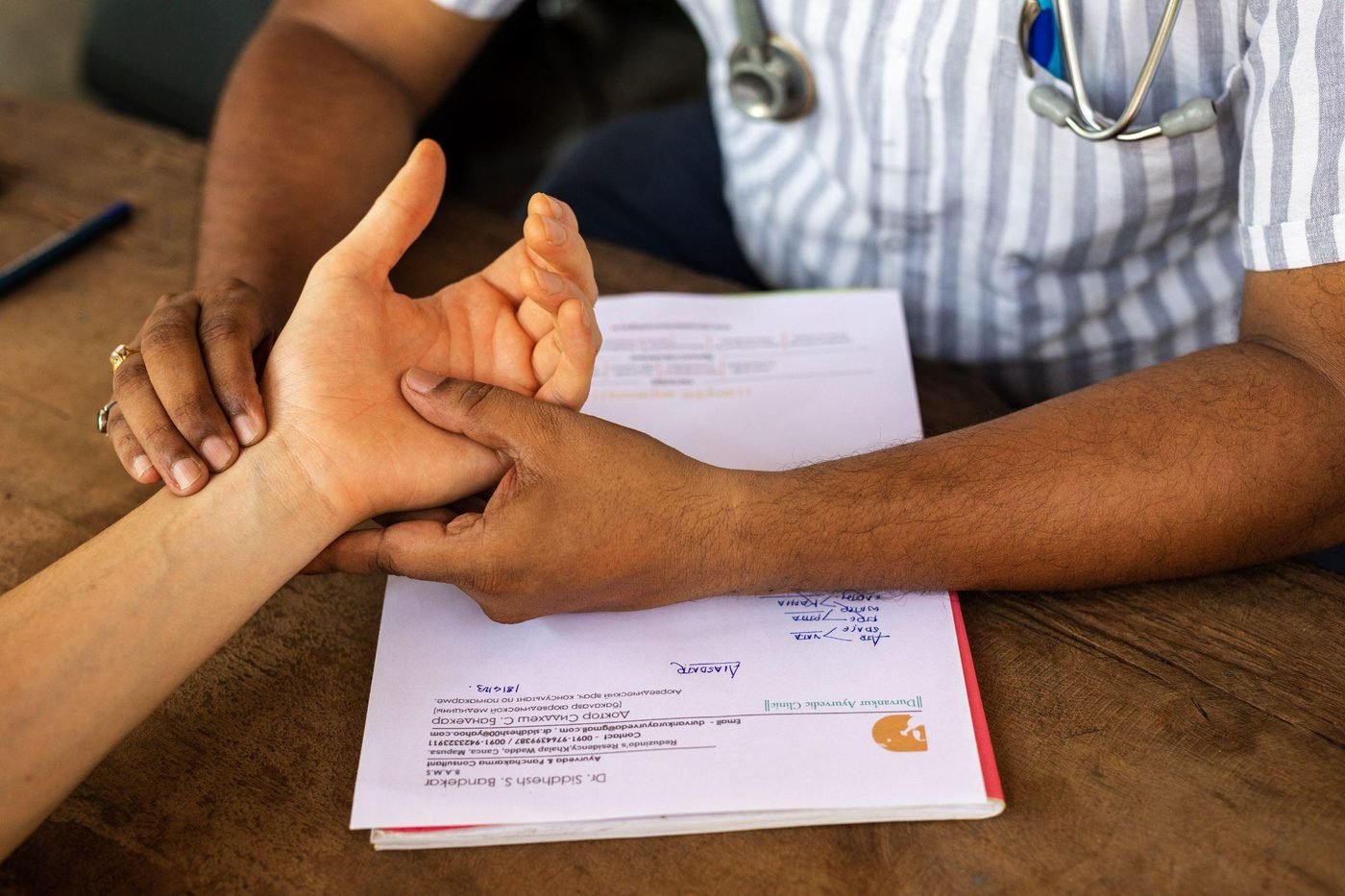
Ayurveda and Panchakarma have become increasingly well known around the world, yet the traditional understanding of these practices is often very different from the way they are presented in modern wellness culture. Panchakarma is sometimes described simply as a detox programme, but classical Ayurveda presents it as a much more structured and individualised process that involves preparation, specific therapeutic procedures, appropriate diet, rest and a period of recovery.
Ayurveda is a traditional system of medicine from India that approaches health through the relationship between the body, mind, senses, lifestyle, environment and individual constitution. Panchakarma forms one important part of this larger tradition and is traditionally used when a qualified Ayurvedic physician considers cleansing therapies appropriate for an individual.
At SWAN, Ayurveda and traditional Panchakarma are offered within a residential environment in Goa where Ayurvedic therapies can be supported by appropriate food, rest, traditional Yoga, Pranayama and meditation. The emphasis is not on a quick detox experience, but on allowing sufficient time for assessment, preparation, treatment and recovery.
Ayurveda, meaning the “knowledge of life”, is one of India's traditional systems of medicine and has developed through a substantial body of classical literature and clinical tradition. Rather than treating every individual in exactly the same way, Ayurveda considers constitution, digestion, lifestyle, environment, age, season and the particular nature of an individual's imbalance.
A central framework within Ayurveda is the understanding of the three Doshas: Vata, Pitta and Kapha. These are not simply physical substances or individual organs. They are traditional principles used to understand different patterns of physiological and psychological functioning.
Vata is associated with movement and the functions governed by movement within the body. Pitta is associated with transformation, digestion and metabolism, while Kapha is associated with structure, stability and cohesion. Ayurveda understands health through the dynamic relationship between these principles rather than assuming that one fixed state of balance is identical for everyone.
This individualised approach is one of the reasons Ayurvedic consultation is important before undertaking a traditional Panchakarma programme.
The Sanskrit word Panchakarma means “five actions”. In classical Ayurveda, Panchakarma refers to a group of therapeutic procedures used for cleansing and purification when they are considered appropriate for the individual.
It is important to understand that Panchakarma is not simply a general detox treatment and that all five procedures are not necessarily performed on every person. The selection of therapies depends upon the individual's constitution, condition, digestive capacity, strength, age and other factors assessed by the Ayurvedic physician.
Traditional Panchakarma is generally preceded by preparatory procedures known as Purvakarma. These may include internal and external oleation, known as Snehana, and therapeutic sweating or fomentation, known as Swedana. The purpose of these preparations is traditionally to prepare the body for the principal therapy selected by the physician.
After the main therapeutic process, Ayurveda also places considerable importance on recovery and dietary progression. This period is known as Paschatkarma, and appropriate dietary rehabilitation, including Samsarjana Krama where indicated, is an important part of the traditional process.
For this reason, a genuine Panchakarma programme is very different from a short wellness package marketed simply as a “detox”.
The five classical procedures traditionally associated with Panchakarma are Vamana, Virechana, Basti, Nasya and Raktamokshana. Their application varies according to Ayurvedic tradition, clinical assessment and individual circumstances.
Vamana is a physician supervised therapeutic emesis procedure traditionally associated particularly with the management of certain Kapha related conditions. It is not a general cleansing treatment that should be attempted without appropriate medical supervision.
Virechana refers to therapeutic purgation and is traditionally associated with the management of particular Pitta related conditions. As with all Panchakarma procedures, its appropriateness depends on individual assessment.
Basti involves the therapeutic administration of specially prepared substances through the rectal route. Classical Ayurveda gives Basti an important place, particularly in relation to Vata related disorders, and describes several different forms of Basti according to the therapeutic objective.
Nasya involves the administration of selected substances through the nasal passages and is traditionally used in the management of certain conditions affecting the region of the head and neck.
Raktamokshana, traditionally associated with bloodletting, is described in classical Ayurvedic literature but is not appropriate for every individual and is not routinely used in every contemporary Panchakarma programme.
The important point is that Panchakarma should never be understood as a fixed five treatment package. A qualified Ayurvedic physician determines which procedures, if any, are appropriate.
One of the characteristics that distinguishes traditional Panchakarma from commercial detox programmes is the importance given to preparation.
Before a principal Panchakarma procedure is undertaken, the physician may prescribe preparatory measures intended to prepare the body and digestive system for the treatment. Snehana may involve internal or external use of oils or ghee according to the individual's needs, while Swedana refers to forms of therapeutic fomentation or sweating.
The exact preparation varies according to the person and the treatment being considered. This is why a Panchakarma programme cannot be properly reduced to a standard sequence that is identical for everyone.
The preparation is part of the treatment, not simply something that happens before the treatment.
Agni, traditionally understood as the principle of digestion and transformation, occupies a central position in Ayurvedic thought. Ayurveda considers digestive function important not only for the processing of food but also for maintaining overall physiological balance.
This is one reason diet receives so much attention during an Ayurvedic retreat. Food is selected according to the stage of treatment, individual requirements and digestive capacity rather than simply according to a generic “detox menu”.
During certain stages of Panchakarma, meals may be deliberately simple and easy to digest. Kitchari and other traditional preparations may form part of the diet when considered appropriate. As treatment progresses, food can gradually be reintroduced according to the individual's condition.
This process of dietary restoration is particularly important after intensive cleansing procedures.
The traditional purpose of Panchakarma is to support the removal of accumulated Dosha related imbalances through appropriate therapeutic procedures and to restore physiological balance according to Ayurvedic principles.
People often seek an Ayurvedic retreat because they feel that their lifestyle has become excessively demanding and that they need time to rest, reassess their habits and establish a healthier routine. Panchakarma can be part of such a process when recommended by a qualified Ayurvedic physician.
Ayurveda traditionally associates appropriate Panchakarma with improved digestive function, greater clarity, restoration of balance and rejuvenation. However, the experience varies considerably from person to person, and Panchakarma should not be presented as a guaranteed treatment or cure for particular diseases.
The quality of the consultation, the appropriateness of the treatment and the way the programme is conducted are far more important than promising a particular outcome.
Panchakarma is not necessarily appropriate for everyone, and being interested in detoxification does not automatically mean that Panchakarma is required.
A qualified Ayurvedic physician should first assess the individual and determine whether cleansing therapy is suitable. Factors such as age, strength, constitution, digestive function, current health, medication and the presence of particular conditions may influence the decision.
For some people, a gentler Ayurvedic programme focused on diet, lifestyle, rest, Yoga or Rasayana may be more appropriate than Panchakarma. For others, a properly supervised Panchakarma programme may be recommended.
This individualised approach is fundamental to traditional Ayurveda.
Yoga and Ayurveda have developed alongside one another within the broader Indian knowledge traditions, and they share several important concepts concerning lifestyle, discipline, the body, breath and mind. At a residential retreat, appropriate Yoga and meditation practices can complement an Ayurvedic programme by providing a supportive environment for rest, awareness and reflection.
At SWAN, traditional Hatha Yoga, Pranayama and meditation can form part of the wider residential experience alongside Ayurveda. The intensity and nature of Yoga practice should, however, be appropriate to the individual's condition and the stage of Panchakarma.
Panchakarma is not the time for treating Yoga as a physical challenge. The emphasis should be on appropriate practice, rest and awareness.
Goa provides a distinctive environment for a residential Ayurveda retreat. North Goa combines a tropical setting with access to nature, while areas such as Assagao retain a quieter village atmosphere away from the most crowded parts of the state.
A residential setting can be particularly useful during Panchakarma because the individual is able to step away from many of the demands of ordinary daily life. Regular meals, treatment schedules, rest, consultation and appropriate practices can all take place within the same environment.
At SWAN Yoga Retreat in Assagao, Ayurveda is integrated into a wider residential setting that includes traditional Yoga and meditation. The purpose is to provide an environment in which guests can focus on their Ayurvedic programme rather than treating Panchakarma as a spa treatment squeezed between sightseeing and everyday activities.
There is no single correct duration for Panchakarma.
The length of an Ayurvedic programme depends on the individual's needs, the therapies recommended by the physician and the time required for preparation, principal treatment and recovery. Residential Panchakarma programmes may therefore be structured over different periods, with longer stays allowing more time for assessment, preparation and post treatment care.
A longer programme is not automatically better, and a shorter programme is not necessarily inadequate. The appropriate duration should be determined according to the individual rather than selected simply because a particular package is being advertised.
The word “detox” is now used very widely in the wellness industry. Juice programmes, fasting retreats, supplements, spa treatments and short dietary programmes may all be described as detoxification.
Traditional Panchakarma is different in its structure and philosophy.
It begins with an Ayurvedic assessment, and the treatment is selected according to the individual. Preparation is considered important, the principal procedures are physician supervised, diet is adjusted according to the stage of treatment and recovery is regarded as part of the process.
Most importantly, Panchakarma belongs within the larger system of Ayurveda. It is not simply a modern wellness concept that happens to use Ayurvedic oils and treatments.
Choosing an Ayurvedic retreat should involve more than comparing prices and accommodation photographs. The qualifications and experience of the Ayurvedic physician, the way consultations are conducted, the authenticity and structure of the Panchakarma programme, the quality of the treatments and medicines, the food, the accommodation and the level of individual supervision should all be considered.
It is also important to ask whether the retreat treats Panchakarma as a traditional Ayurvedic therapeutic process or simply uses the word as a marketing term for a collection of massages and spa treatments.
A genuine Panchakarma programme requires time, appropriate preparation, qualified supervision and respect for the traditional principles of Ayurveda.
SWAN Yoga Retreat in Assagao, North Goa, offers a residential environment where traditional Ayurveda and Panchakarma can be experienced alongside Hatha Yoga, Pranayama and meditation.
The Ayurvedic programme begins with consultation and individual assessment rather than assuming that every guest requires the same treatment. Where Panchakarma is considered appropriate, the programme is structured around the traditional stages of preparation, therapeutic treatment and recovery.
The wider residential environment provides space for rest, appropriate food, traditional Yoga practice and time away from the demands of ordinary life. Ayurvedic therapies, Panchakarma and Yoga are therefore experienced not as isolated treatments but within a broader approach to wellbeing rooted in Indian traditions.
If you are considering Panchakarma in Goa, an Ayurveda retreat in Goa or a traditional Panchakarma retreat in India, the most important question is not simply how many treatments are included in the package. It is whether the programme is being designed and supervised according to your individual needs.
Ayurveda is a traditional system of knowledge that approaches health as an ongoing relationship between the individual, lifestyle, environment and natural rhythms. Panchakarma is one part of this wider tradition and should be understood as a carefully structured therapeutic process rather than a quick detox.
When appropriately prescribed and properly supervised, traditional Panchakarma can provide a period of focused care, rest and therapeutic intervention. The deeper value of an Ayurvedic retreat, however, may extend beyond the treatment itself. It can provide an opportunity to reconsider daily habits, food, sleep, activity and the relationship between body and mind.
The aim is not simply to complete a Panchakarma programme and return immediately to the same patterns of living. Ayurveda places considerable importance on what happens afterwards and on how a person carries the understanding gained during treatment into everyday life.
Panchakarma is a group of classical Ayurvedic therapeutic procedures traditionally used for cleansing and purification. It is selected according to the individual's constitution, condition and therapeutic requirements and is normally preceded by appropriate preparation and followed by a period of recovery.
The five classical procedures are Vamana, Virechana, Basti, Nasya and Raktamokshana. Not every person receives all five procedures. The appropriate treatment is determined by the Ayurvedic physician.
The duration varies according to the individual and the treatment plan. A complete programme may include consultation, preparation, principal treatment and recovery, so the appropriate length should be determined by the Ayurvedic physician rather than by a standard package alone.
No. Panchakarma is not appropriate for every person or every health condition. A qualified Ayurvedic physician should assess the individual before recommending cleansing therapies.
Panchakarma is part of the traditional Ayurvedic system and involves individual assessment, preparation, specific therapeutic procedures, dietary management and recovery. Modern detox retreats may use the word “detox” for a wide range of programmes that are not based on classical Ayurveda.
Agni is traditionally described as the principle of digestion and transformation in Ayurveda. The condition of Agni is considered important in assessing an individual's health and in determining appropriate dietary and therapeutic approaches.
Yoga may complement an Ayurvedic programme when appropriately adapted to the individual's condition. At SWAN, traditional Hatha Yoga, Pranayama and meditation can form part of the wider residential experience, with practice adjusted according to the stage of treatment.
Goa offers a natural environment for residential wellness, while North Goa provides access to quieter surroundings away from the busiest tourist areas. A residential setting also allows treatment, food, rest and appropriate practices to take place within a structured environment.
Panchakarma should not be presented as a guaranteed cure for chronic disease. Ayurveda may be used as a complementary traditional approach for certain health concerns, but anyone with a diagnosed condition should discuss Ayurvedic treatment with an appropriately qualified practitioner and their existing healthcare provider where relevant.
This depends on the individual medication, health condition and Ayurvedic treatment being considered. Prescription medication should never be stopped or altered simply because someone is beginning Panchakarma. The Ayurvedic physician should be informed about all current medicines and health conditions.
Look for qualified Ayurvedic physicians, individual consultation, clearly explained treatment protocols, appropriate preparation and recovery, hygienic treatment facilities and transparency about what is actually included in the programme. The quality of the medical and therapeutic supervision should be more important than the appearance or price of the retreat.
Meditation can be a supportive practice during an Ayurvedic retreat when it is appropriate for the individual. A quieter residential environment can provide useful space for reflection and awareness alongside Ayurvedic treatment.
No. Ayurvedic massage and other external therapies can form part of an Ayurvedic programme, but Panchakarma refers to a specific group of therapeutic procedures within Ayurveda. Massage alone should not automatically be described as Panchakarma.
SWAN offers residential Ayurveda and Panchakarma programmes in Assagao, North Goa, with Ayurvedic consultation and traditional therapies within a residential environment that also incorporates appropriate Yoga, Pranayama and meditation.
Article by SWAN Yoga.
Copyright SWAN Yoga Retreat, Assagao, Goa, India.
 Practice
If you are already practising Yoga and feel ready to understand the tradition more deeply, joining a Yoga Teacher Training Course can be a natural next step. A good Yoga…
Read article Ashram Life
Today, followers of Sanatana Dharma celebrate one of the most auspicious occasions in the Hindu calendar: Rama Navami, the day commemorating the birth of Bhagwan Shri Rama.
Read article Ashram Life
On June 21, the International Day of Yoga is celebrated across the world. For those who practise Yoga, teach Yoga or have an interest in understanding its deeper traditions…
Read articleEverything written here is taught in person, in sequence, at the ashram in Assagao.