
Three weeks to experience Panchakarma as a complete process
Panchakarma is not simply a series of Ayurvedic treatments.
It is a traditional Ayurvedic process in which preparation, therapeutic procedures, food, rest and post treatment care all have a place.
A three week programme gives this process more time to unfold.
The additional time allows the Ayurvedic doctor greater scope to work gradually, with appropriate intervals between procedures and a longer period for rebuilding after the principal therapies.
The programme begins with a detailed consultation. Your constitution, present condition, digestive capacity, strength and individual requirements are considered before the doctor develops your treatment plan.
Every therapy is selected according to your needs.

Traditional Panchakarma under Ayurvedic doctor’s supervision
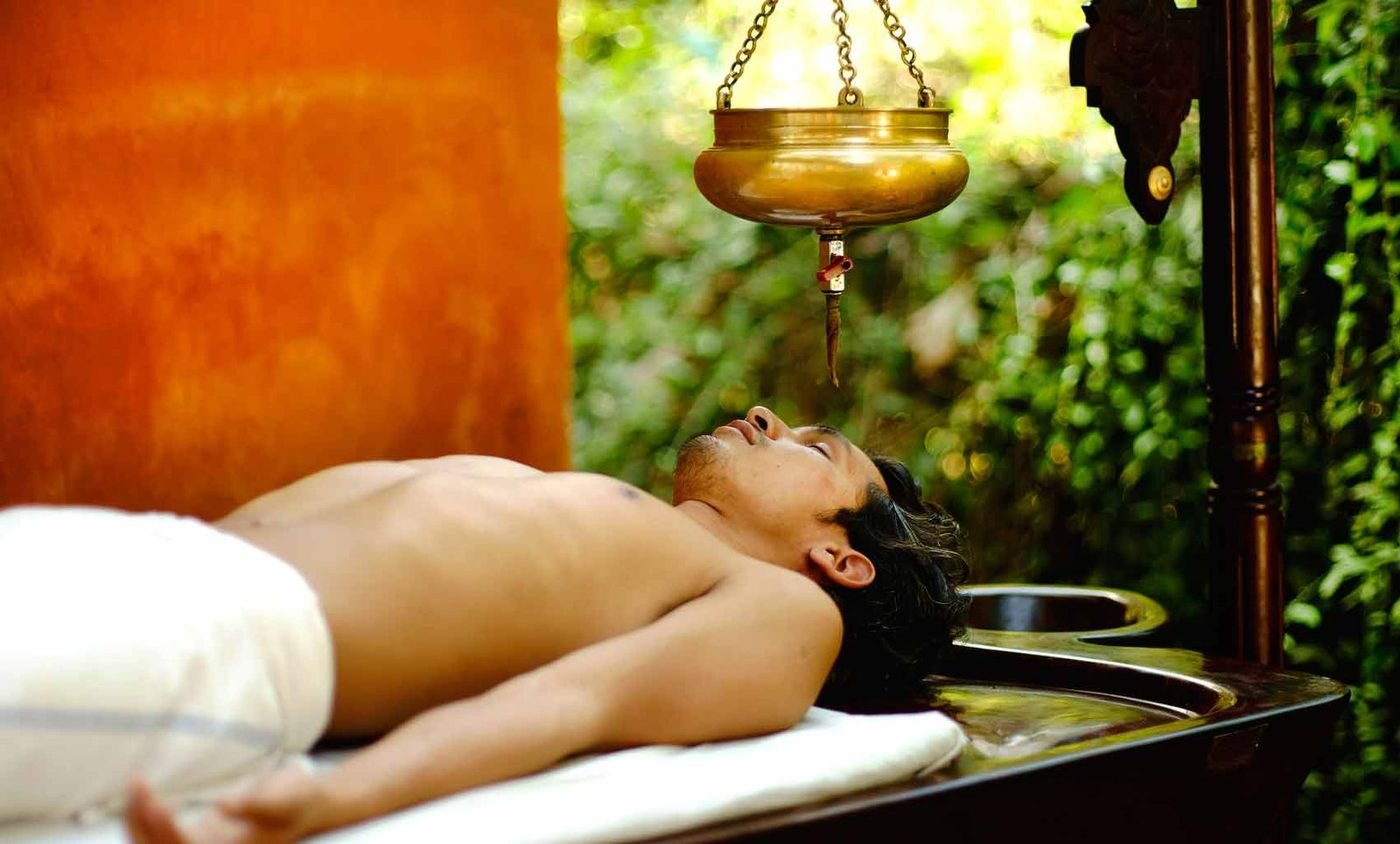
Panchakarma is one of the important therapeutic approaches within Ayurveda.
The traditional description refers to five principal therapeutic actions: Vamana, Virechana, Basti, Nasya and Raktamokshana.
These procedures are not applied in the same way to every person.
The Ayurvedic doctor determines which procedures, preparations and supporting therapies are appropriate according to the individual’s constitution, condition and therapeutic requirements.
Some guests may undergo procedures from this traditional group while others may require a different combination of Ayurvedic therapies.
This individualised approach is fundamental to the way Panchakarma is traditionally practised.
The purpose is not to complete five procedures simply because they exist in the classical description.
The purpose is to follow the therapeutic process that is appropriate for the individual.
Why choose three weeks?
A longer Panchakarma programme allows the process to be approached with greater patience.
There can be more time for preparation before the principal procedures, appropriate spacing between therapies and a longer period of post treatment rebuilding.
This can be particularly valuable when the Ayurvedic doctor considers that a more gradual approach is appropriate.
Three weeks also gives you more time to settle into the residential rhythm of SWAN.
The first days are not simply preparation for treatment. They are an opportunity to step away from the routines that brought you here.
The middle period allows the principal therapies to take place according to your prescription.
The final period gives space for rest, appropriate food, gradual rebuilding and preparation for returning home.
Three weeks gives the Panchakarma process room to breathe.
How the three weeks are structured
Your programme begins with a detailed consultation with the resident Ayurvedic doctor.
Broadly, the three weeks move through three stages.
Purva Karma
Preparation
The body is prepared for the principal Panchakarma procedures according to the doctor’s prescription.
This may include internal oleation, external oleation such as Abhyanga and sweating therapies.
The exact preparation, duration and procedures vary from person to person.
Pradhana Karma
The principal therapeutic procedures
The Ayurvedic doctor prescribes the procedures appropriate for you and determines their sequence and timing.
The therapies are carried out gradually and according to your response.
The intention is not to rush through a predetermined treatment schedule. The process is adjusted when necessary.
Paschat Karma
Rebuilding and restoration
The Panchakarma process continues after the principal procedures.
Food is gradually introduced according to the prescribed regimen. Practice is kept appropriate to the stage of recovery, herbal support may be prescribed and sufficient rest is encouraged.
With three weeks available, there is more time for this rebuilding phase before returning to normal life. This final stage is an important part of the programme rather than an afterthought.
Yoga and Panchakarma together
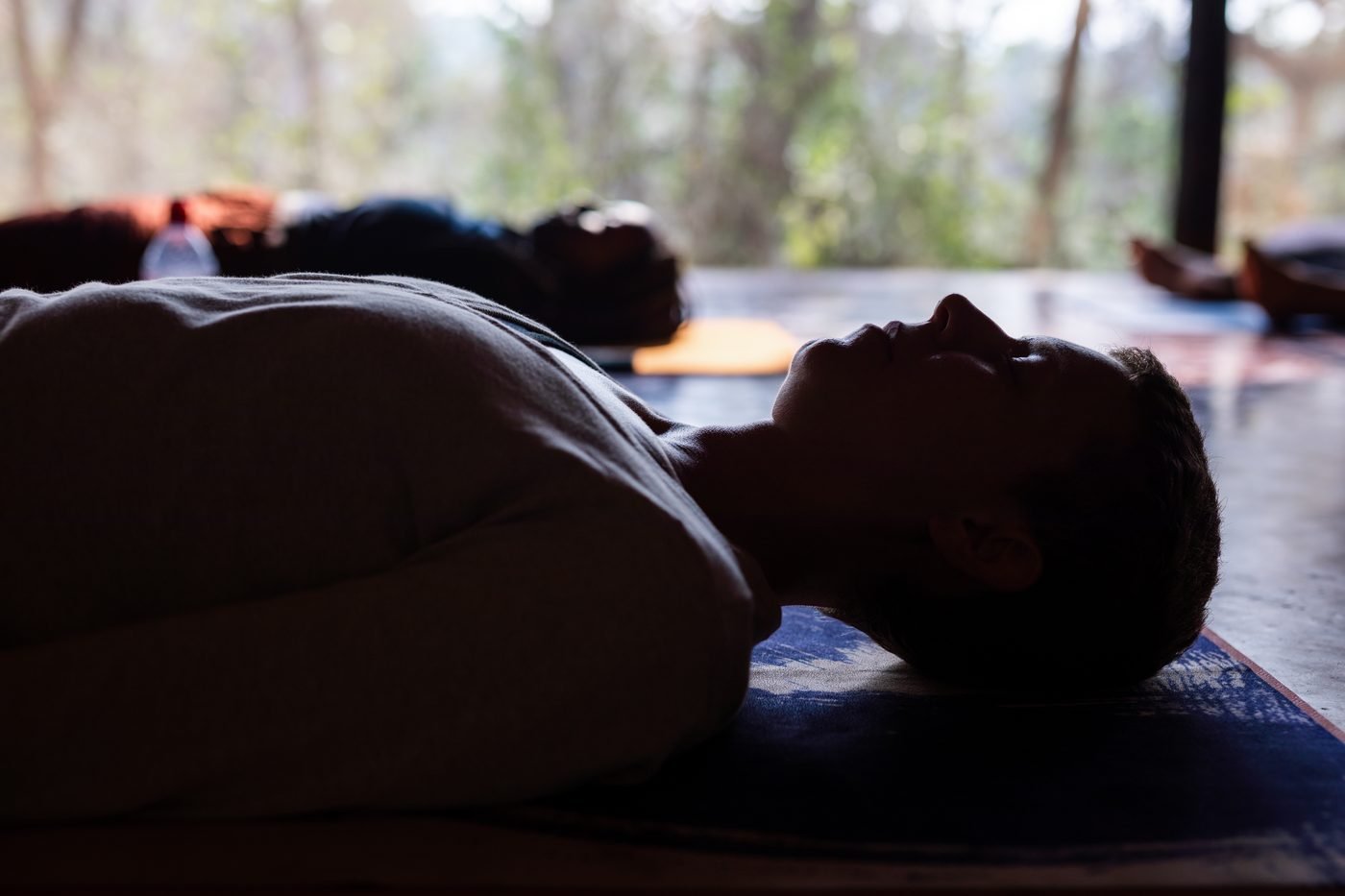
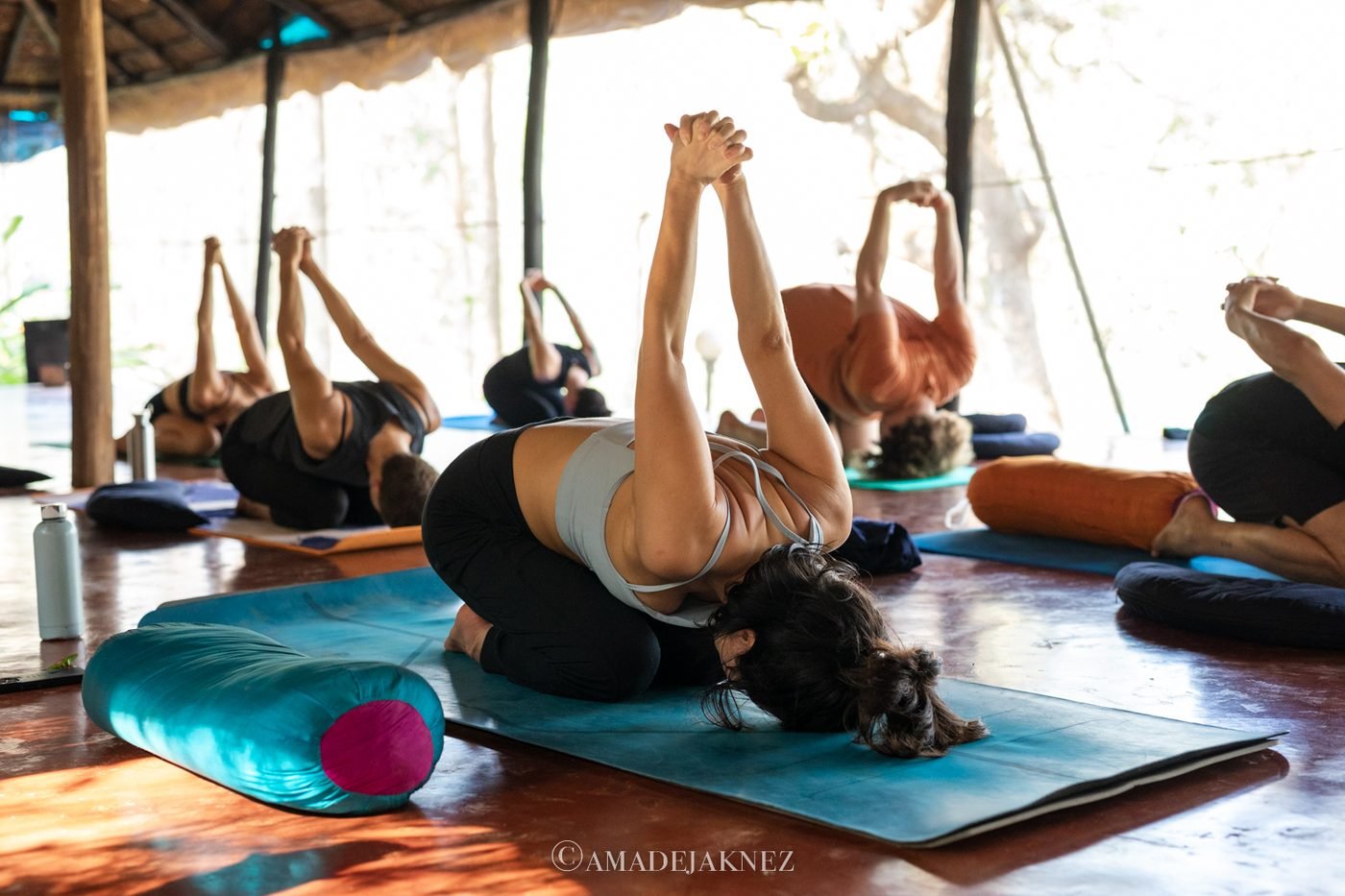
At SWAN, Panchakarma takes place within a residential Yoga environment.
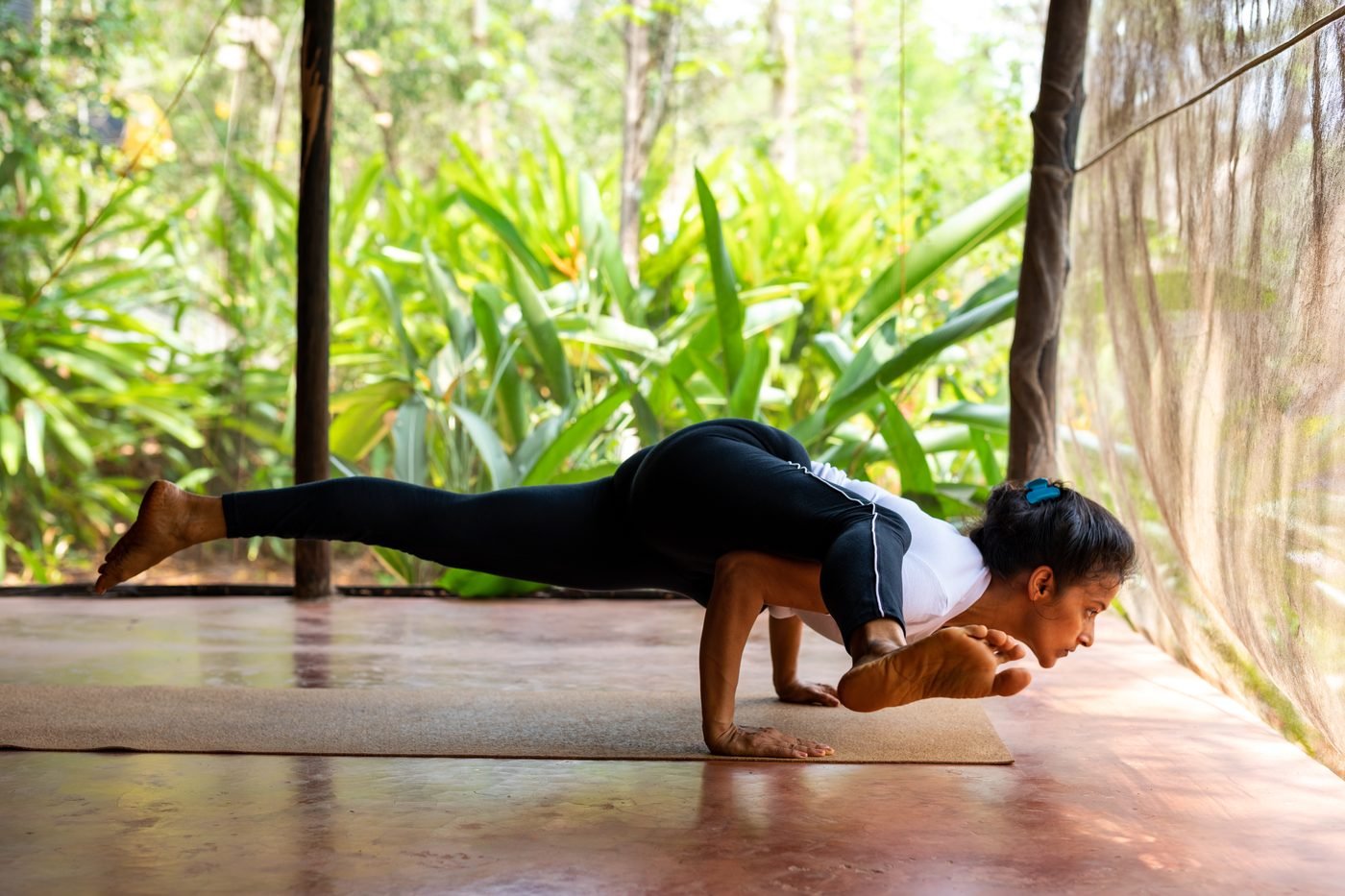
Daily Yoga, meditation and pranayama form part of the wider rhythm of the programme, with Yoga Nidra and yogic study as per the schedule.
Practice is adapted according to the stage of Panchakarma and your individual requirements.
Some days may call for a fuller practice. At other times, rest and gentle awareness may be more appropriate.
The purpose is not to maintain a demanding exercise routine while undergoing Panchakarma.
It is to allow Yoga, Ayurveda, food, rest and daily discipline to support one another.
This is one of the distinctive aspects of experiencing Panchakarma at a traditional Yoga retreat rather than in isolation. Explore Yoga at SWAN.
What the programme includes
Included
- Detailed consultation with our resident Ayurvedic doctor at the beginning of your stay
- Ongoing Ayurvedic review throughout the programme
- Personalised Panchakarma treatment plan according to your constitution and individual requirements
- Purva Karma preparation as prescribed
- Principal Panchakarma procedures selected by the Ayurvedic doctor
- Paschat Karma post treatment care and rebuilding
- Ayurvedic oils, preparations and medicines as prescribed
- Daily traditional Hatha Yoga, asana and pranayama as appropriate
- Meditation and Yoga Nidra as per schedule
- Yoga philosophy and yogic study
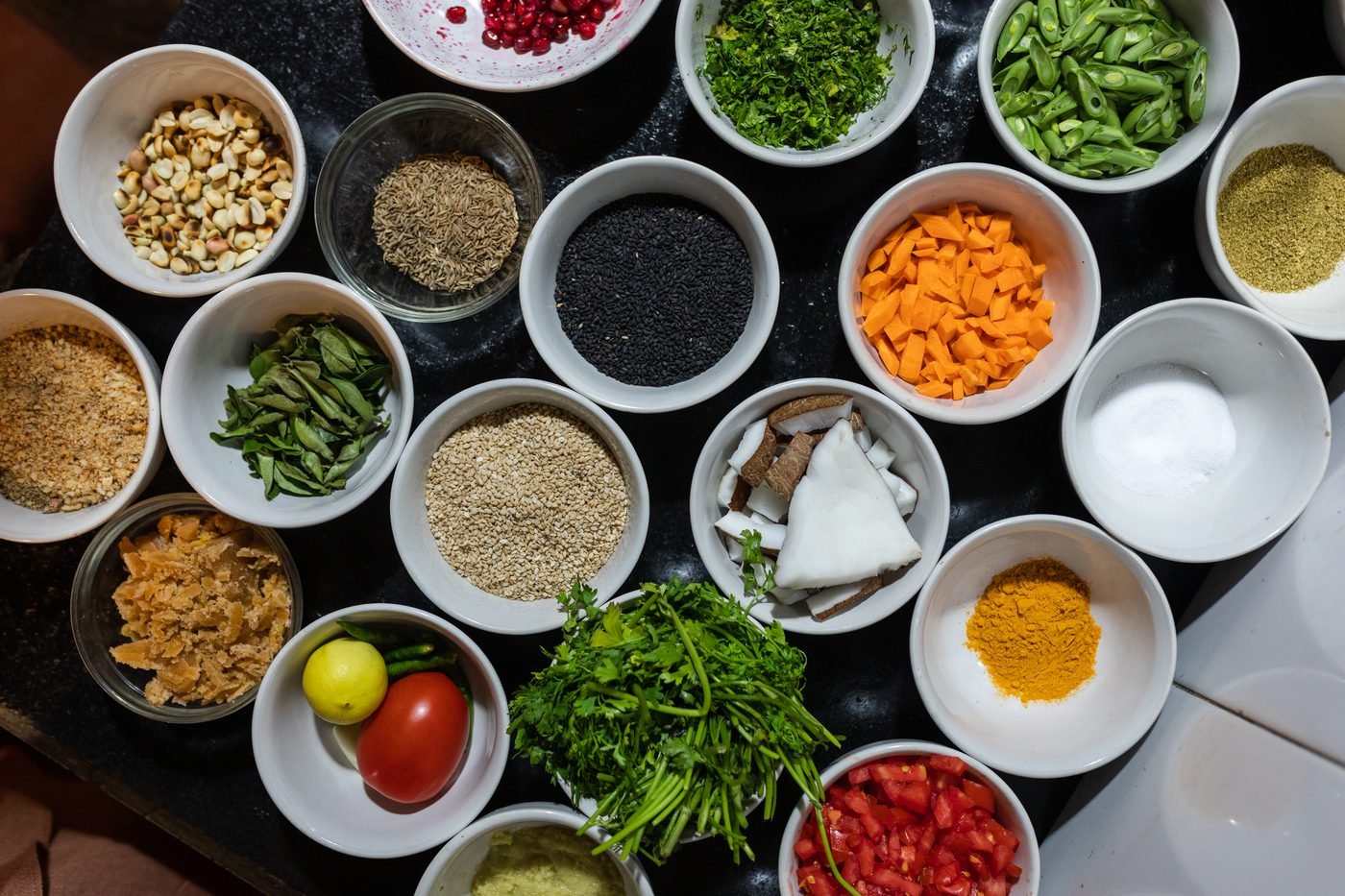
- An Ayurvedic diet throughout the programme
- Appropriate dietary rebuilding during the final stage
- Evening Havan and Kirtan on Saturday and Sunday
- Comfortable cottage accommodation
- All meals during your stay
- A quiet natural residential environment in Assagao, North Goa
Not included
- Flights, visa and travel insurance
- Airport transfers (approx. ₹2,200 each way, air-conditioned)
- Medicines prescribed to continue after you leave
- Additional spa treatments and packages booked outside the programme
- Juice bar and SWAN boutique purchases
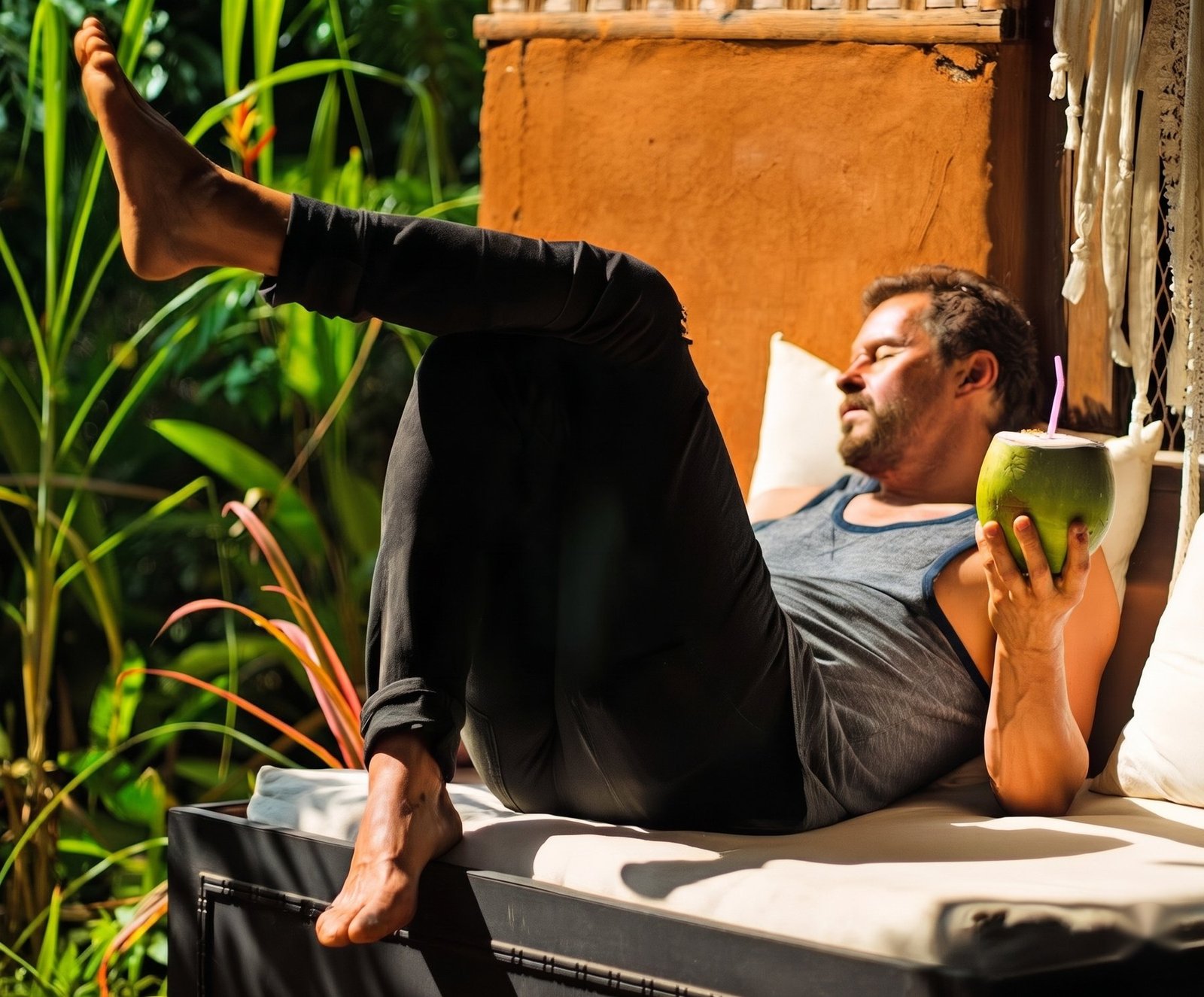
Your daily rhythm during Panchakarma
Life during Panchakarma follows a quieter and more structured rhythm.
A typical day may include meditation, Hatha Yoga, Ayurvedic treatment, appropriate meals, Yoga philosophy, Yoga Nidra, rest and periods of silence or quiet.
The actual timetable changes according to your treatment plan and stage of Panchakarma.
| Time | Programme |
|---|---|
| 06:00 to 06:45 | Meditation |
| 07:30 to 09:00 | Hatha Yoga and asana |
| Morning | Ayurvedic preparation or prescribed routine |
| 09:30 onwards | Breakfast |
| Morning | Ayurvedic treatment as prescribed |
| 11:30 to 12:30 | Yoga philosophy, Yoga Nidra or yogic study |
| 13:30 to 14:00 | Lunch |
| Afternoon | Ayurvedic treatment, rest or prescribed routine |
| 18:30 to 19:00 | Dinner |
| 19:00 to 20:00 | Havan and Kirtan on Saturday and Sunday |
Havan and Kirtan are on Saturday and Sunday evenings only, not every day.
This is an indicative residential rhythm, not a fixed treatment timetable. Your treatment times, therapies, diet, medicines and Yoga practice are adjusted according to the Ayurvedic doctor’s prescription and the stage of your Panchakarma.
Friday is the weekly day off from the regular Yoga schedule, while Ayurvedic treatment continues according to prescription.
Tuesday is the yogic kriya day and the regular asana schedule is adjusted accordingly.
A natural environment for Panchakarma
The setting in which Panchakarma takes place matters.
SWAN is situated in Assagao, North Goa, surrounded by tropical vegetation, mature trees and gardens.
The campus provides space for Ayurvedic treatment, Yoga, meditation, rest, study and quiet time.
The environment is intentionally simple and residential rather than designed as a conventional luxury spa.
For someone travelling from another part of India or from abroad, the change of environment can become part of the experience.
You have the opportunity to step away from work, constant stimulation, travel routines and everyday responsibilities and give the Ayurvedic process your full attention.
Come to India for Ayurveda. Come to Goa for the natural environment. Stay long enough to experience Panchakarma as a complete residential process. Discover SWAN in Assagao, Goa.
Panchakarma, rest and rejuvenation
Panchakarma is distinct from a conventional rejuvenation retreat.
It involves a therapeutic process followed by appropriate recovery and rebuilding.
At the same time, three weeks away from ordinary life creates considerable space for rest.
There is time to sleep, eat at regular times, practise Yoga according to your capacity, receive Ayurvedic care, spend time in nature and reduce unnecessary stimulation.
For people arriving after prolonged stress, demanding work or an overstimulated lifestyle, this quieter rhythm can be an important part of the residential experience.
The intention is not simply to leave feeling rested after a holiday.
It is to give the Ayurvedic process enough time and space to be undertaken with care.
Who is the three week programme for?
A three week Panchakarma programme may be suitable for people specifically looking for:
- Traditional Panchakarma in India
- A three week Panchakarma retreat in Goa
- Doctor supervised Ayurvedic detox and cleansing
- A personalised Ayurvedic treatment programme
- Traditional Ayurvedic therapies and Panchakarma procedures
- More time for preparation and post treatment rebuilding
- Yoga and meditation alongside Ayurvedic care
- A quiet residential environment for treatment and rest
- An opportunity to experience Ayurveda within its traditional Indian context
- A longer period away from demanding routines and excessive stimulation
- A deeper residential Ayurveda experience than a short retreat
It may also be appropriate for those who want a more gradual Panchakarma process and whose Ayurvedic doctor considers the additional time beneficial.
Panchakarma is not suitable for everyone. The Ayurvedic doctor must assess your individual situation before confirming the programme.
Three weeks in Assagao, North Goa
For an international traveller, coming to India for Panchakarma can be about more than receiving Ayurvedic treatments.
It can be an opportunity to experience Ayurveda within the country where the tradition developed and to spend time in an environment where food, daily routine, Yoga, meditation and conscious living are closely connected.
At SWAN, Panchakarma takes place within a residential Yoga and Ayurveda setting in Assagao, North Goa.
The emphasis is on traditional Ayurvedic care, individual attention, appropriate food, Yoga, rest and a natural environment.
This is not a luxury detox holiday.
It is a serious residential programme for people prepared to give themselves the time and attention that Panchakarma requires.
Come to India for authentic Ayurveda. Come to Goa for the natural surroundings. Stay for three weeks and give the Panchakarma process the time it deserves.
Important to know before you book
Panchakarma is a specialised Ayurvedic therapeutic programme.
The procedures are not selected from a fixed menu and the programme is not identical for every guest.
Your suitability, treatment plan, procedures, duration, diet, medicines and daily routine are determined by the Ayurvedic doctor.
Your active participation is also important.
Food, rest, routine, cooperation with the treatment process and willingness to follow the prescribed programme are all part of the experience.
If you are primarily looking for relaxation, massage and a short wellness holiday, our Yoga and Ayurveda rejuvenation programmes may be more appropriate.
If you are specifically seeking traditional Panchakarma in Goa and are prepared to participate in a structured Ayurvedic process, we invite you to contact us.
Prices
The three week programme is priced per person and includes:
- Twenty one days of residential cottage accommodation
- All meals during your stay
- Consultation and follow up with the resident Ayurvedic doctor
- Your prescribed course of Panchakarma therapies
- Ayurvedic medicines and preparations as prescribed
- Daily Yoga and meditation programme as appropriate
- Yoga philosophy and Yoga Nidra as per schedule
- All other programme elements included in the residential Panchakarma stay
Because every Panchakarma programme is individual, the final treatment plan is determined by the Ayurvedic doctor.
Write to us with your preferred dates and tell us what you are hoping to experience from Panchakarma. We will send you the current availability and rate.
Budget Cottage
Row rooms with private bathroom.
Standard Cottage
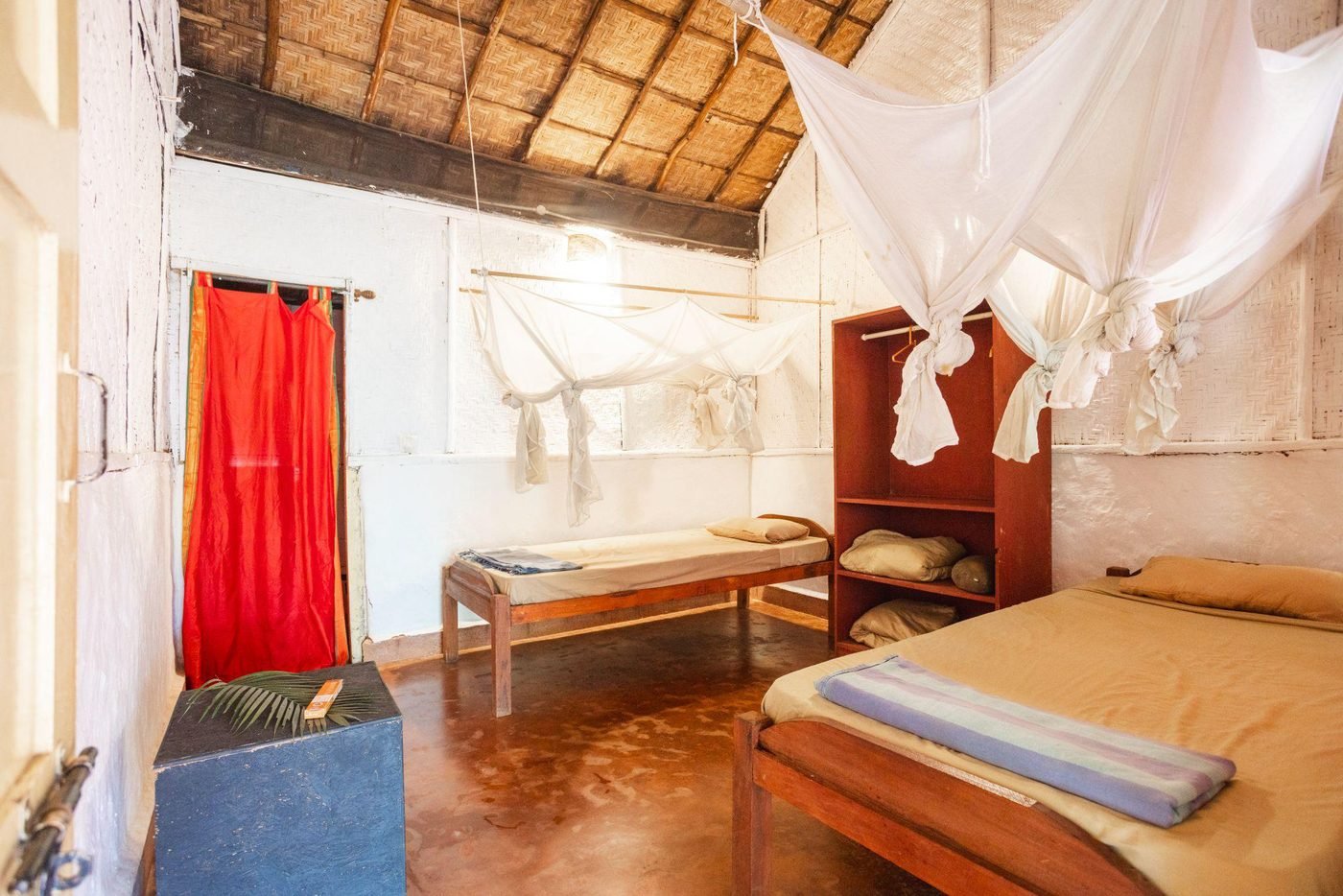
Private cottage with private bathroom and sit-out area.
Deluxe Cottage
Best-view cottage with private bathroom and sit-out area.
AC Deluxe Cottage
Air-conditioned best-view cottage with private bathroom and sit-out.
A 30% non-refundable deposit reserves your place; the balance is payable on arrival at SWAN. You are welcome to pay in full in advance if you prefer, but it is not required.
Request Three Week Panchakarma Prices
Frequently asked questions
The word Panchakarma refers to five therapeutic actions described within the Ayurvedic tradition. These include Vamana, Virechana, Basti, Nasya and Raktamokshana. Not every person is suitable for every procedure, and not every Panchakarma programme requires all five.
No. The Ayurvedic doctor determines which procedures are appropriate according to the individual’s constitution, condition and therapeutic requirements. This individualised approach is central to authentic Panchakarma.
Panchakarma is not suitable for everyone and the doctor must determine whether it is appropriate for you. Please tell us about your health in full at the time of enquiry, and bring any recent reports; the doctor will advise honestly whether the programme is right for you.
Yes. Daily Yoga, meditation and pranayama form part of the wider rhythm of the programme, with Yoga Nidra and yogic study as per the schedule, and practice adapted according to the stage of Panchakarma and the doctor’s recommendations. There may be days when your physical practice needs to be lighter or modified.
Panchakarma requires preparation before the principal procedures and care after them. A meaningful programme therefore needs more than a few days. If you have less than two weeks, one of our Yoga and Ayurveda rejuvenation programmes will suit you better.
An Ayurvedic diet runs throughout the programme, prepared according to your constitution and treatment requirements, with appropriate dietary rebuilding after the principal procedures. Your dietary requirements are determined by the Ayurvedic doctor.
What people say after staying.
Written reviews from past guests, and video reviews from our YouTube channel and Instagram.
“I spent three weeks at Swan Yoga and did a Panchakarma. It was absolutely amazing! It is a very authentic place with an ashram-style atmosphere, combining yoga and Ayurveda. I felt like part of a big family. The food is amazing, the entire staff is very helpful and always in a good mood, and the surrounding nature is very peaceful. I could not have wished for a better Ayurveda therapist than Sarika — she was incredible. After these three weeks, I feel rejuvenated, relaxed, peaceful, and light. I also did a Vedic astrology reading with Shivendra, which I can highly recommend. It gave me so much clarity about my path and my sadhana. I will definitely come back. Thank you, Swan team!”
“I stayed at swan for 21 days panchakarma and already on the second day decided to prolong my stay. The place has a peaceful and home away from home like atmosphere that is beyond words. Gyanmitra is an incredible teacher, he is very knowledgeable and his teachings are very pure and authentic, there is no pretending or trying to create a certain image as I have sometimes seen in other yoga places. I enjoyed his classes a lot. I was welcomed from the first day with an open heart and was able to heal and learn in so many ways during my stay there. I did not only get the panchakarma I went for but also got to experience and learn more about what for me is the essence of yoga. The ayurvedic doctor (Dr. Siddhesh) and my therapist (Surya) were also absolutely wonderful and very competent, as was the rest of the staff. The food was delicious. I will definitely go back and will always look back on my time at swan with great love and gratitude🙏🏼🤍”
Not sure whether two weeks or three weeks is right for you?
Tell us your preferred dates, where you are travelling from and what you are looking for from your Ayurvedic stay. We can explain the difference between the Two Week Panchakarma Retreat, Three Week Panchakarma Retreat, Two Week Yoga & Ayurveda Immersion and One Week Yoga & Ayurveda Rejuvenation programmes before you decide.